Arts and Design
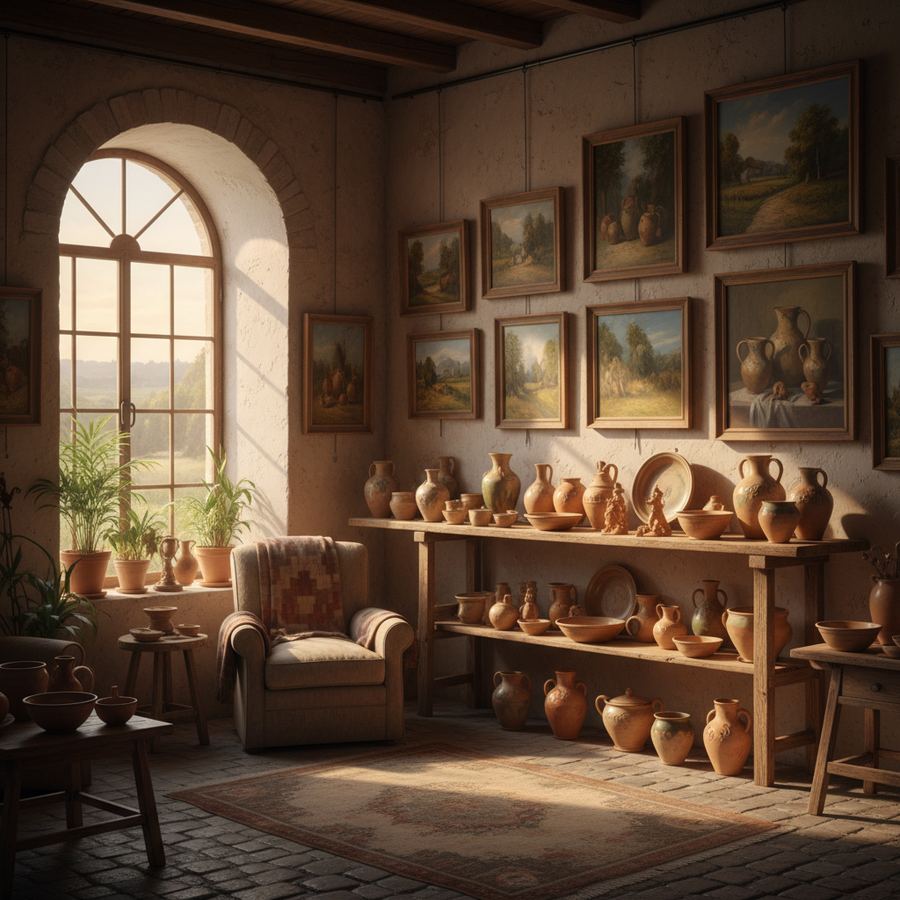
Prince Edward County has attracted artists for decades. The light, the landscape, the affordable studio space (historically, at least) and the community of like-minded creators have made this rural island one of Ontario's most concentrated arts destinations. The county's creative scene encompasses painting, sculpture, ceramics, textiles, photography, furniture making and design, with Bloomfield as the acknowledged centre and creative energy spreading across the villages and countryside.
Galleries
The county has more galleries per capita than most places in Ontario. Bloomfield's main street alone houses several, showing work that ranges from established artists with national reputations to emerging talents finding their voice. The quality is consistently high, and the price range covers everything from affordable prints to significant investment pieces.
Picton has its own gallery scene, with several spaces on and near Main Street showing painting, photography and mixed media. A few galleries focus on Indigenous art, reflecting the deep history of the region. Others specialize in contemporary Canadian work.
Rural studios scattered across the county offer a different experience. Several artists open their studios to visitors by appointment, providing a chance to see work in progress and talk directly with the maker. The annual arts trail, typically held in September, opens dozens of studios for a weekend of touring that reveals the full depth of the county's creative community.
Craft and Design
The line between art and craft is productively blurred in Prince Edward County. Ceramicists produce both functional pottery and sculptural pieces. Woodworkers make furniture that is beautiful and practical. Textile artists create wearable work and wall pieces. The county's maker culture values skill, materials and honest construction.
Several shops in Bloomfield and Picton curate collections of locally made goods. These are not souvenir shops but genuine retail spaces that support working artisans. Buying a handmade bowl, a piece of jewellery or a woven textile from a county maker is a way to bring something tangible home from your visit.
Design extends to the built environment. Many of the county's renovated barns, converted farmhouses and new buildings reflect a design sensibility that is informed by the landscape. Clean lines, natural materials and thoughtful integration with the surroundings characterize the best county architecture.
The Creative Community
What sets the county's arts scene apart from a city gallery district is the community behind it. Artists here know each other, collaborate, support each other's work and participate in the broader life of the county. The creative community is woven into the fabric of local life rather than existing in a separate cultural bubble.
Many artists who work in the county chose to leave cities for the space, light and pace that PEC offers. The tradeoff is distance from the major gallery centres and collectors, but the growth of the county's reputation has mitigated that disadvantage. Several county artists show nationally and internationally while maintaining their studios in PEC.
Writers have a presence here too. The county's quiet, the long winters and the inspiration of the landscape have attracted novelists, poets and non-fiction writers. A few literary events and readings take place through the year, adding another layer to the cultural calendar.
Events
The county's arts calendar includes several anchor events. The September arts trail opens studios and galleries across the county for a weekend of self-guided touring. The Taste Trail in late spring combines food, wine and art in a single event. Gallery openings throughout the year provide regular cultural touchpoints.
Christmas markets and holiday events in November and December showcase local makers and provide seasonal shopping opportunities. These events draw both visitors and locals and contribute to the community atmosphere that characterizes county life.
Visiting as an Art Lover
Start in Bloomfield. Walk the main street, visit every gallery that catches your eye, and talk to the people working there. Most gallery staff are knowledgeable and happy to discuss the work. Continue to Picton for its galleries and shops. If you have time, ask about studio visits in the surrounding area.
A romantic weekend based in Bloomfield, combining gallery visits with good meals and wine touring, is one of the most culturally rich trips available in rural Ontario.
If you are an artist yourself, the county offers residency opportunities, workshop spaces and a community of peers. Several organizations support visiting artists, and the infrastructure for creative work continues to grow.