Moving to PEC
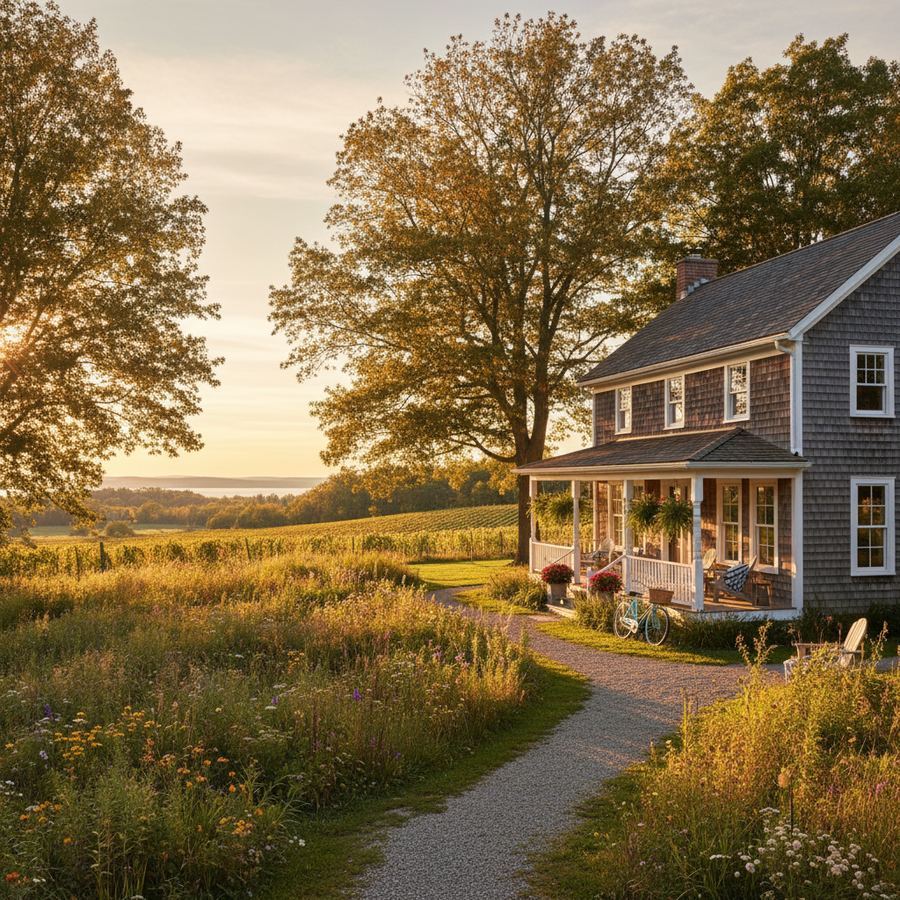
Every year, people visit Prince Edward County, fall in love with the place and start thinking about what it would take to live here. The combination of natural beauty, good food, community character and distance from the city is genuinely appealing. But moving to a rural area is different from visiting one, and understanding the realities before making the leap will help you decide whether PEC is the right fit for your life.
Housing
The housing market in Prince Edward County has changed dramatically over the past decade. Demand from second-home buyers, retirees and remote workers has pushed prices well above what a rural Ontario market would traditionally support. Waterfront properties command premium prices. Village homes in Picton and Wellington are competitive. Rural properties on larger lots offer more space for the money but require comfort with isolation.
Rental housing is scarce. The short-term rental economy has absorbed much of the county's available rental stock, making long-term rentals difficult to find and expensive relative to local incomes. If you are considering a move, owning is more practical than renting in most cases.
Building a new home is an option, but the county's zoning regulations, septic system requirements and limited contractor availability can make the process slow. Factor in longer timelines than you would expect in a city or suburb.
Employment
Prince Edward County's economy is built on agriculture, tourism, wine production and small business. Year-round employment options are limited compared to urban centres. Many residents are self-employed, work remotely, operate seasonal businesses or commute to Belleville or Trenton for work.
Remote work has changed the calculus for many newcomers. If your job allows you to work from home, the county offers an appealing base with a lower cost of living than Toronto or Ottawa, though internet speeds vary by location. Confirm that reliable high-speed internet is available at any property you consider purchasing.
Seasonal employment in hospitality, agriculture and retail peaks in summer and drops significantly in winter. If your income depends on local employment, plan for the seasonal fluctuation and ensure you have savings or alternative income sources to cover the quiet months.
Schools
Prince Edward County has several elementary schools and one secondary school, Prince Edward Collegiate Institute (PECI) in Picton. The schools are small compared to urban schools, which means smaller class sizes but also fewer extracurricular programs and course options.
Many families appreciate the community feel of county schools. Students know each other, teachers know the families, and the overall environment is less anonymous than city schools. The tradeoff is less choice, especially at the secondary level.
Post-secondary options require leaving the county. Loyalist College in Belleville is the nearest college. Universities in Kingston, Peterborough and Toronto are all within driving distance but require either commuting or residence.
Healthcare
Healthcare access is one of the practical challenges of rural life in Ontario, and Prince Edward County is no exception. The county has a hospital in Picton (Prince Edward County Memorial Hospital) that provides emergency services and some outpatient care. For specialized medical services, residents travel to Belleville, Kingston or sometimes further.
Finding a family doctor can take time. Like many rural Ontario communities, the county faces a shortage of physicians accepting new patients. Walk-in clinic hours are limited. If you have ongoing medical needs, research the availability of healthcare services before committing to a move.
Services and Shopping
Picton has a grocery store, hardware store, pharmacy, banks and basic retail. Wellington has a smaller selection of shops and services. For major shopping, Belleville is about 30 minutes north and has box stores, car dealerships and a wider range of services.
The county does not have a movie multiplex, big-box retailer or fast-food chain within its borders. For some newcomers, this is a feature. For others, it takes adjustment. Online shopping and periodic trips to Belleville or Kingston fill most gaps.
Community
Prince Edward County has a strong sense of community, but newcomers sometimes find it takes time to feel fully integrated. The year-round population is relatively small, and established social networks can be tight. Getting involved in local organizations, volunteering, attending community events and shopping locally all help build connections.
The divide between summer visitors and year-round residents is real but not hostile. Locals appreciate the economic activity that tourism brings while sometimes finding the seasonal influx overwhelming. Newcomers who contribute to the community beyond spending tourist dollars tend to be well received.
Winter
You must be comfortable with winter to live in Prince Edward County year-round. From November through March, the county is cold, dark and quiet. Many seasonal businesses close. The social calendar slows. Snow and ice are part of daily life, and the rural roads require winter tires and careful driving.
For those who embrace it, winter in PEC has its own appeal. The landscape is beautiful, the community draws closer, and the pace of life suits people who enjoy reading, cooking, indoor projects and occasional cross-country skiing or snowshoeing.
For those who struggle with long winters, the five months of cold can feel isolating. Consider renting in the county for a full year before buying, so you experience all four seasons before committing.
See also: Retiring in PEC and Why People Love PEC.