Local Food Scene
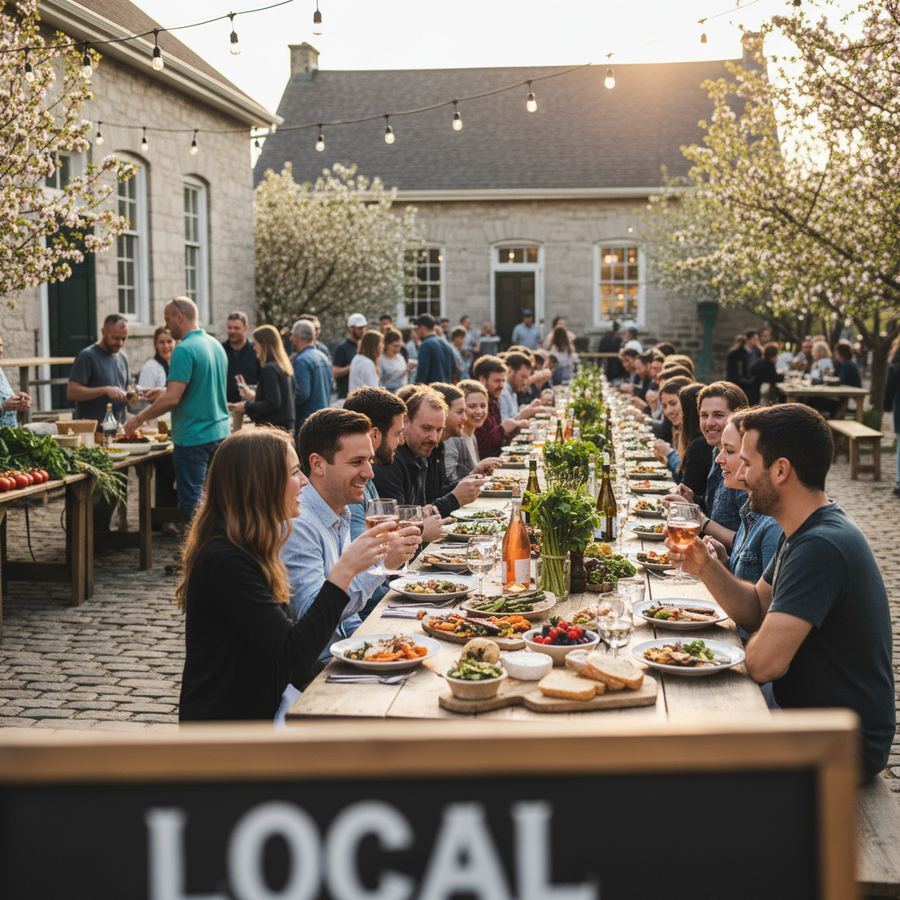
Prince Edward County has one of the most compelling food cultures of any small community in Canada. The combination of rich farmland, a growing wine region, talented chefs who chose to work here over the city, and a community that values what it eats creates a food scene that is authentically local rather than performatively so. When a menu says the tomatoes came from a farm down the road, you can drive past that farm on your way home from dinner.
Farm to Table Is Just How It Works
In most cities, farm-to-table is a restaurant concept. In Prince Edward County, it is the default. The farms are here. The restaurants are here. The distance between field and plate is measured in minutes, not in supply chain stages. Chefs shop at the same farm stands that visitors browse, and seasonal menus change because the actual seasons change, not because a marketing calendar says they should.
This closeness between production and consumption shows up in the quality of the food. Tomatoes that were on the vine this morning taste different from tomatoes that spent three days in a truck. Corn picked that day has a sweetness that fades within hours of harvest. These differences are subtle but real, and they accumulate across a meal to create something noticeably better than what most city restaurants can offer.
The Producers
Behind the restaurant menus are dozens of small-scale producers who grow, raise, make and preserve food within the county. Vegetable farmers, fruit growers, cheesemakers, bakers, preservers, beekeepers, and livestock producers all contribute to a food economy that is remarkably diverse for such a small area.
The cheese made in Prince Edward County is particularly notable. Several producers make artisanal cheeses that have won national recognition. Paired with county wine, local cheese is one of the defining food experiences here.
Honey, maple syrup, preserves, pickles and fermented foods round out the local production. Many of these products are available at farm stands and markets, making them accessible to visitors who want to cook with local ingredients at their rental properties.
Seasonal Eating
Eating in Prince Edward County follows the calendar. Spring brings ramps, asparagus and the first greens. Summer is tomato, corn, berry and stone-fruit season. Fall offers squash, apples, root vegetables and the grape harvest. Winter menus feature preserved foods, hearty grains, braised meats and the stored bounty of the preceding seasons.
August is the peak of the food year. The farmers market overflows with produce, the restaurants are at their most creative, and the sheer abundance of fresh food is overwhelming. A visitor who eats well in August will understand what the county's food culture is really about.
Wine and Food Together
The county's wine region has elevated the food scene by creating a natural pairing culture. Restaurants curate wine lists that feature local producers. Wineries offer food pairings in their tasting rooms. Farm dinners, held in fields and barns through the summer, bring wine and food together in settings that could not be more local.
The wines themselves, with their bright acidity and mineral character, are built for food. County Chardonnay with local cheese. Pinot Noir with duck or pork from a nearby farm. These pairings work because the food and wine come from the same landscape and the same conditions. The wineries guide covers the wine side in detail.
Cooking at Your Rental
One of the best food experiences in the county happens in your own kitchen. Shopping at farm stands, picking up bread from a local bakery, selecting cheese from a county producer and opening a bottle of wine from a vineyard you visited that afternoon creates a meal that is entirely local and entirely yours.
Many visitors find that their most memorable meals in PEC are the ones they cook themselves with ingredients bought that day from the people who grew them. The farm stand owner who tells you how to prepare a vegetable you have never cooked before, the cheesemaker who recommends a pairing, the winery that suggests which of their bottles to open with dinner, all of these interactions are part of the food experience.
Beyond Restaurants
The county's food culture extends beyond the dining table. Cooking classes, farm tours, harvest experiences and food-focused events provide deeper engagement for visitors who want to understand the food system rather than just eat from it.
The annual Taste Trail event in late spring opens kitchens and farms to visitors for a weekend of tasting and touring. Harvest dinners in fall bring diners to outdoor tables in fields and vineyards. These events capture the food culture at its most communal and celebratory.
For specific restaurant recommendations, see the best restaurants page.