Wineries Guide
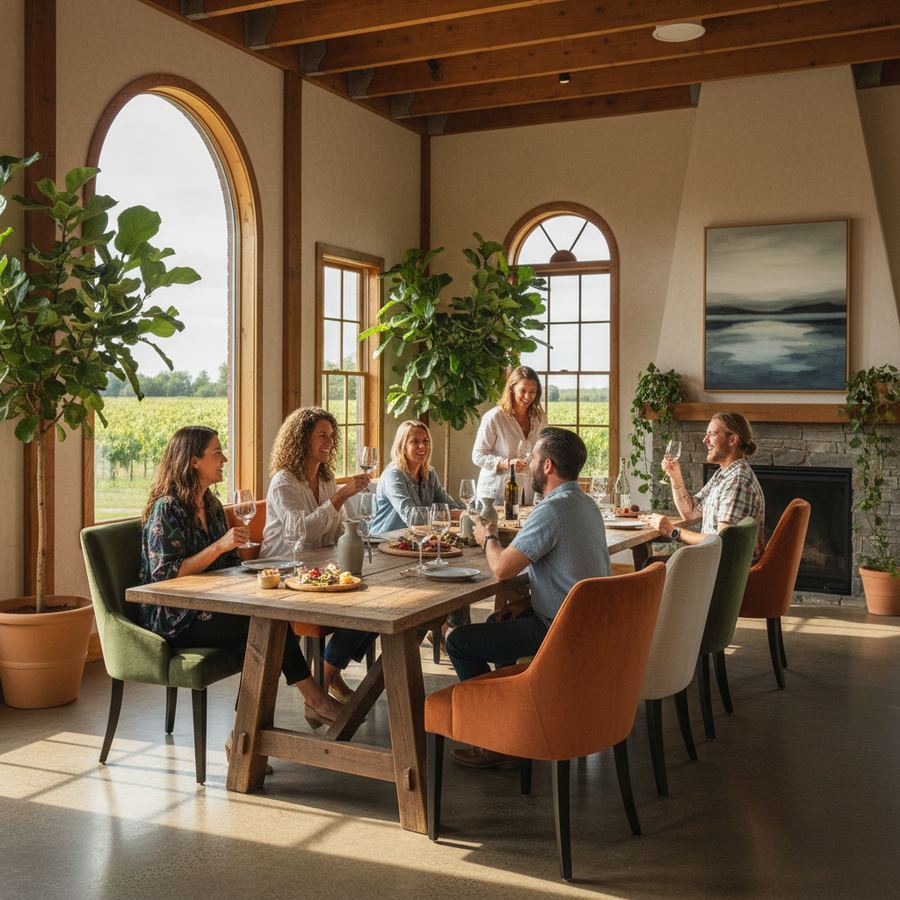
Prince Edward County is one of Canada's most exciting wine regions. With over 40 wineries concentrated in a small area, a distinctive terroir built on limestone bedrock, and a growing community of talented winemakers, the county produces wines that hold their own against far more established regions. This guide covers what you need to know to plan a wine tour, understand the wines and get the most from your visits.
The Wine Region
The county's vineyards are concentrated in the southern half of the island, with the highest density around Hillier and along Closson Road. The County Road Wine Trail connects the main clusters of wineries and provides a scenic driving route through the vineyard landscape.
The region was granted its own wine appellation, reflecting the unique growing conditions that distinguish county wines from those produced elsewhere in Ontario. The key factors are limestone bedrock close to the surface, lake-moderated temperatures on three sides, and a growing season that is slightly cooler and longer than Niagara.
The Wines
Pinot Noir and Chardonnay are the flagship grapes of Prince Edward County. The cool climate and limestone soils produce wines with bright acidity, mineral character and a finesse that winemakers in warmer regions struggle to achieve. The best county Pinot Noirs have a Burgundian quality, with earthy, red-fruit profiles and a sense of place that serious wine drinkers appreciate.
Chardonnay ranges from lean, unoaked styles to richer, barrel-aged expressions. Both approaches benefit from the county's natural acidity, which keeps the wines fresh and food-friendly even at higher ripeness levels.
Riesling, Cabernet Franc, Gamay and several hybrid varieties are also grown successfully. Sparkling wine production is growing, with several producers making traditional-method wines that take advantage of the county's cool-climate grapes.
Planning a Wine Tour
A focused wine tour covering four or five wineries takes about four hours, including tasting time and drives between properties. A leisurely day with lunch and vineyard walks can stretch to a full day. Two days of touring covers the major areas thoroughly.
Start with a plan but be flexible. Choose a geographic area, pick three or four wineries in that zone, and let the day unfold. The Hillier-Closson Road area has enough wineries for a full day. The area between Bloomfield and Wellington adds another cluster.
Tasting fees typically range from $10 to $25 and are often waived with a bottle purchase. Most tasting rooms pour four to six wines in a standard tasting. Some offer premium tastings with library wines or barrel samples at higher prices.
Tasting Room Tips
Take your time. A wine tasting is not a race. Smell, taste, think, and ask questions. The people pouring your wine often know the vineyards and the winemaking process intimately, and their knowledge is part of what makes county wine touring special.
Spit. Seriously. If you are visiting four or five wineries, the alcohol adds up quickly. Spitting allows you to taste everything clearly without losing your judgment. Every tasting room provides a dump bucket.
Buy what you like. County wines are often available only at the winery or in limited distribution. If you taste something you enjoy, buy it there. It may not be available elsewhere.
Seasons
Most tasting rooms operate from late May through October, with core hours between 11 a.m. and 5 p.m. Some larger wineries stay open year-round. Smaller producers may require appointments outside peak season.
Summer is the busiest time, with full tasting rooms on weekends. Weekday visits offer more personal attention and shorter waits. Fall harvest season (September-October) is the most atmospheric time to visit, with the crush underway and new wines being made. Winter visits are intimate, with barrel tastings and quiet conversations.
Food and Wine
Several wineries have on-site restaurants or food programs. Others welcome picnics on their grounds. Picking up cheese, charcuterie and bread from a local shop or farm stand and enjoying a vineyard lunch is one of the best wine-country experiences available.
For restaurant meals paired with local wines, see the best restaurants guide. Many county restaurants maintain wine lists that showcase local producers.
Transportation
Designate a driver or arrange a tour. The county roads are beautiful but narrow, and they require full attention. Several local companies offer wine-tour transportation, ranging from small-group van tours to private car services. Your accommodation host can usually recommend options.
Cycling between wineries is possible in the Hillier area, where several tasting rooms are within a few kilometres of each other. This works best for two or three stops and requires comfort with rural road cycling.