County Road Wine Trail
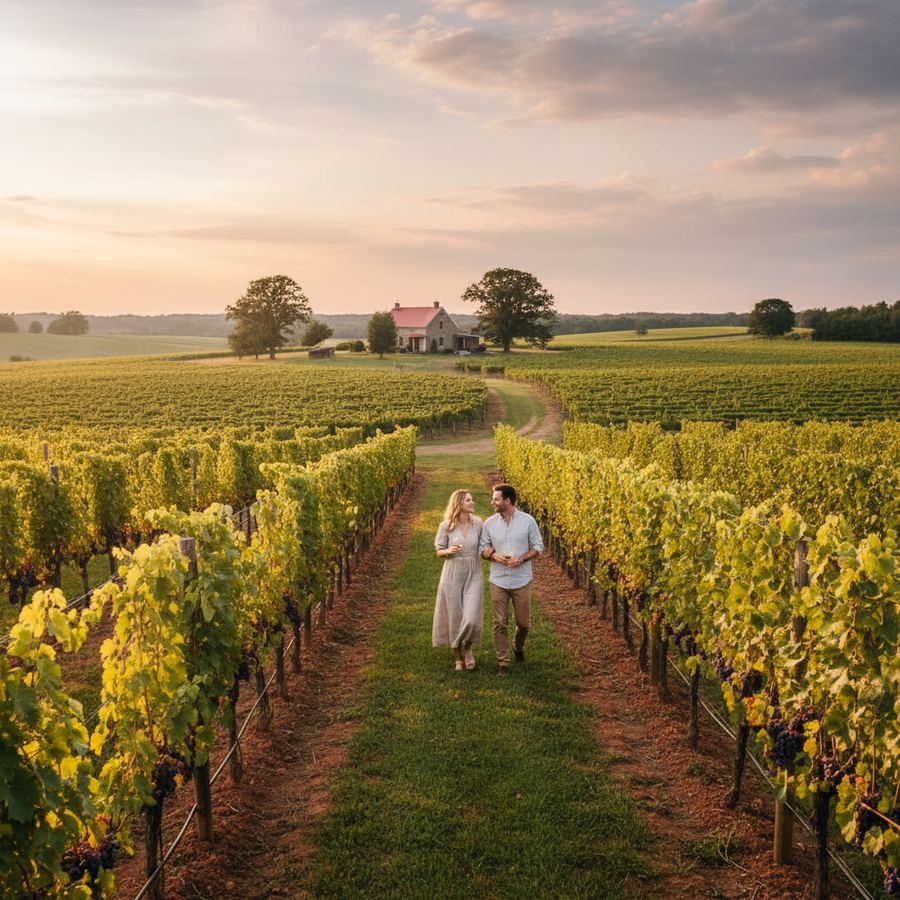
Prince Edward County's wine region is spread across a network of rural roads rather than concentrated in a single corridor. The County Road Wine Trail is the informal name for the route that connects the densest cluster of wineries, running through Hillier, along Closson Road and out toward the south shore. It is one of the best driving experiences in the county, passing through rolling farmland, established vineyards and some of the most beautiful countryside in southern Ontario.
The Route
Most wine trail drives begin in either Picton or Wellington. Heading south from Picton on County Road 1, you pass through farmland before reaching the first cluster of tasting rooms around Hillier. From Wellington, County Road 33 heads east and connects to the same area via side roads.
Closson Road is the heart of the trail. This narrow rural road runs south from Hillier toward the lakeshore and hosts several of the county's most respected producers. The road is lined with old trees, stone fences and vineyard rows that stretch to the horizon on clear days.
A full loop might take you south through Closson Road, east toward Cherry Valley, and back north to Picton via County Road 10. This covers most of the major wine areas in a single afternoon, though stopping at every tasting room along the way would take several days.
Wine and Terroir
Prince Edward County is one of Canada's recognized wine appellations, with a terroir shaped by limestone bedrock, lake-moderated temperatures and long growing seasons. The climate is cooler than Niagara, which gives county wines a distinct character. Pinot Noir and Chardonnay are the flagship varieties, though producers also work with Riesling, Cabernet Franc and a range of hybrid grapes.
The limestone that underlies the county shows up in the wines as a mineral quality that tasters often describe as chalky or flinty. Winemakers here tend to favour restrained, food-friendly styles rather than big, fruit-forward wines. The result is a wine region that rewards attentive tasting.
Tasting Rooms
Most tasting rooms along the trail operate from late May through October, with core hours from roughly 11 a.m. to 5 p.m. Some larger estates stay open year-round, while smaller producers may require appointments outside of peak season.
Tasting fees vary but typically run between $10 and $25. Many wineries waive the fee with a bottle purchase. It is common to visit three or four tasting rooms in an afternoon, with a meal break somewhere along the way.
Several wineries have on-site restaurants or picnic areas. Packing a lunch from one of the county's farm stands and eating in a vineyard setting is one of the best ways to spend an afternoon.
Planning Your Drive
A focused wine trail drive covering four or five stops takes about four hours, including tasting time and short drives between properties. A leisurely day with a long lunch and vineyard walks can stretch to a full day easily.
Designating a driver or booking a wine tour with a local operator is strongly recommended. The county roads are beautiful but narrow, and they require full attention. Many accommodation providers can arrange taxi or tour services for guests.
For a complete wine touring plan, see the wineries guide. If you are planning a broader trip, the weekend itinerary includes wine trail stops alongside other county highlights.
Where to Stay on the Wine Trail
Vineyard guesthouses put you right in the middle of the wine region, often within walking distance of tasting rooms. Several properties along Closson Road and in the Hillier area offer accommodation surrounded by working vineyards.
For a more village-based experience, staying in Bloomfield or Picton gives you easy access to the wine trail while keeping you close to restaurants and shops. Both villages are within a 15-minute drive of the main wine areas.
Best Time for the Wine Trail
September and October are the premier months. The harvest is underway, the vineyards are at their most colourful, and many wineries release new vintages around this time. The weather is typically warm and dry, with fewer visitors than the summer peak.
June and July offer green vineyards and long evenings. August can be busy with summer tourists, though weekday visits remain pleasant. Winter visits have their own appeal, with barrel tastings and a chance to talk with winemakers who have more time during the quiet season.